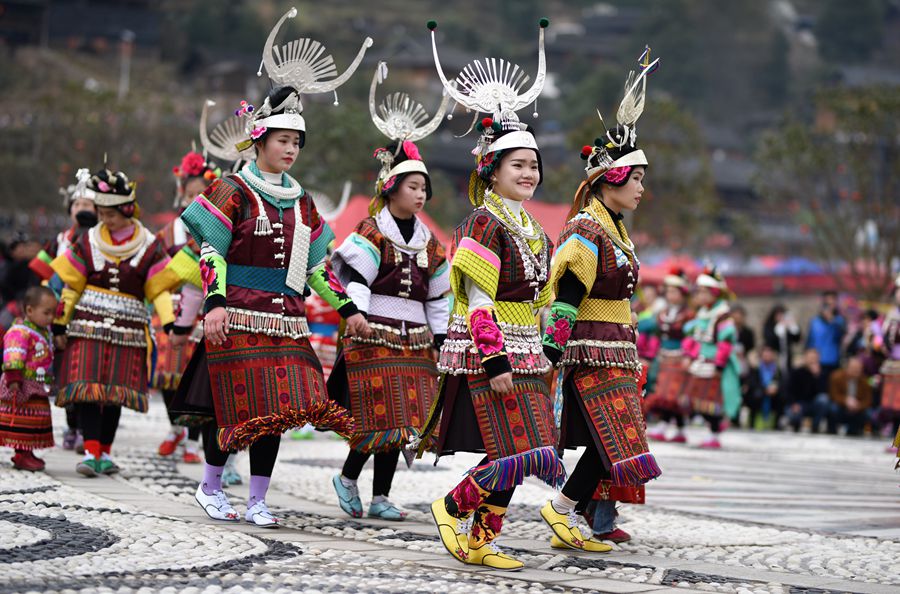
Miao Ethnic Group
Introduction
The Miao ethnic group is one of the 56 recognized ethnic groups in China, primarily residing in the southwestern provinces of Guizhou, Hunan, Yunnan, and Guangxi Zhuang autonomous region. With a population exceeding 11 million, the Miao community is known for its rich cultural heritage, unique customs, and significant contributions to the diversity of China's ethnic tapestry.
History
Origins
The origins of the Miao ethnic group trace back to ancient times, over 7,000 years ago, in the eastern plains of China. Descended from the ancient Jiuli tribe, the Miao people have a deep mythological connection with their ancestor, Chiyou, a legendary warrior and leader. Throughout history, the Miao have been renowned for their resilience and adaptability, maintaining their cultural identity through extensive migrations and various historical upheavals.
Migration and Settlement Patterns
The history of the Miao people is characterized by extensive migrations driven by both voluntary movements and external pressures such as conflict and social change. Over centuries, the Miao have migrated from their original settlements in the eastern plains to the southwestern regions of China, forming significant communities in Guizhou, Hunan, Yunnan, and Guangxi. These migrations have greatly influenced the cultural practices and social structures within the Miao communities, resulting in a unique blend of traditions and lifestyles. Miao silver jewelry, batik, and embroidery reflect the influence of their migration history, showcasing distinctive patterns and craftsmanship.
Culture
Language and Script
The Miao language is part of the Hmong-Mien language family, and it is spoken in various dialects across different regions. While the Miao people historically did not have a written script, efforts have been made to develop a written form using the Latin alphabet, primarily to preserve the language and culture for future generations. This linguistic diversity is a testament to the Miao's adaptability and resilience throughout their history of migration and settlement.
Religion and Beliefs
The religious beliefs of the Miao ethnic group revolve around animism and ancestor worship. Nature spirits, ancestral deities, and mythical figures such as Chiyou play a vital role in their spiritual practices. Rituals and ceremonies are conducted to honor these spiritual entities, seeking their blessings for prosperity, health, and protection. Festivals such as the Chiyou sacrificial ceremony are significant religious events that bring communities together to pay homage to their ancestral heritage.
Festivals and Traditions
The Miao ethnic group celebrates a myriad of traditional festivals that showcase their rich cultural heritage. The Miao New Year, recognized as a national intangible cultural heritage, is the most important festival for the Miao people. It marks a time for celebrating the harvest, honoring ancestors, and expressing gratitude to nature. Other notable festivals include the Flower Hill Festival, Fangu Festival, and the Miao Sisters Festival, each characterized by vibrant traditional attire, music, dance, and communal feasts. These festivals are pivotal in preserving and promoting cultural practices among the Miao communities.
Music and Dance
Music and dance are integral to the cultural expression of the Miao ethnic group. Traditional dances such as the Water Drum Dance, the Bench Dance, and the Copper Drum Dance are performed during festivals and celebrations, showcasing the dynamic and spirited nature of Miao culture. These dances, often accompanied by traditional instruments, reflect the community's historical experiences, religious beliefs, and social customs. The unique rhythms and movements in Miao dances have also gained international recognition, highlighting their cultural significance and artistic value.
Social Structure
Family and Kinship
The Miao society is traditionally organized around extended family units and kinship networks. Family ties are highly valued, with ancestral lineage playing a crucial role in social identity and community relations. Elders are respected and revered, often consulted for guidance in family and community matters. Kinship ties extend beyond immediate family, fostering a sense of collective responsibility and social cohesion within Miao communities.
Community Organization
Miao villages are typically organized with a strong sense of community and mutual support. Village elders and community leaders play a significant role in decision-making processes and the maintenance of social order. Traditional practices such as communal farming, collective festivities, and mutual aid systems are prevalent, reflecting the importance of cooperation and solidarity among the Miao people. Community gatherings and festivals serve as platforms for social interaction, cultural exchange, and the reinforcement of communal bonds.
Cultural Preservation and Promotion
Efforts to preserve and promote Miao culture have gained momentum in recent years, driven by both governmental initiatives and community-led projects. The establishment of ecomuseums, cultural festivals, and educational programs aims to safeguard the intangible cultural heritage of the Miao people. These initiatives focus on preserving traditional crafts such as embroidery, batik, and silver jewelry making, while also promoting contemporary expressions of Miao culture through fashion, music, and art. The Miao community actively participates in cultural preservation, recognizing the importance of passing down their traditions to future generations.








